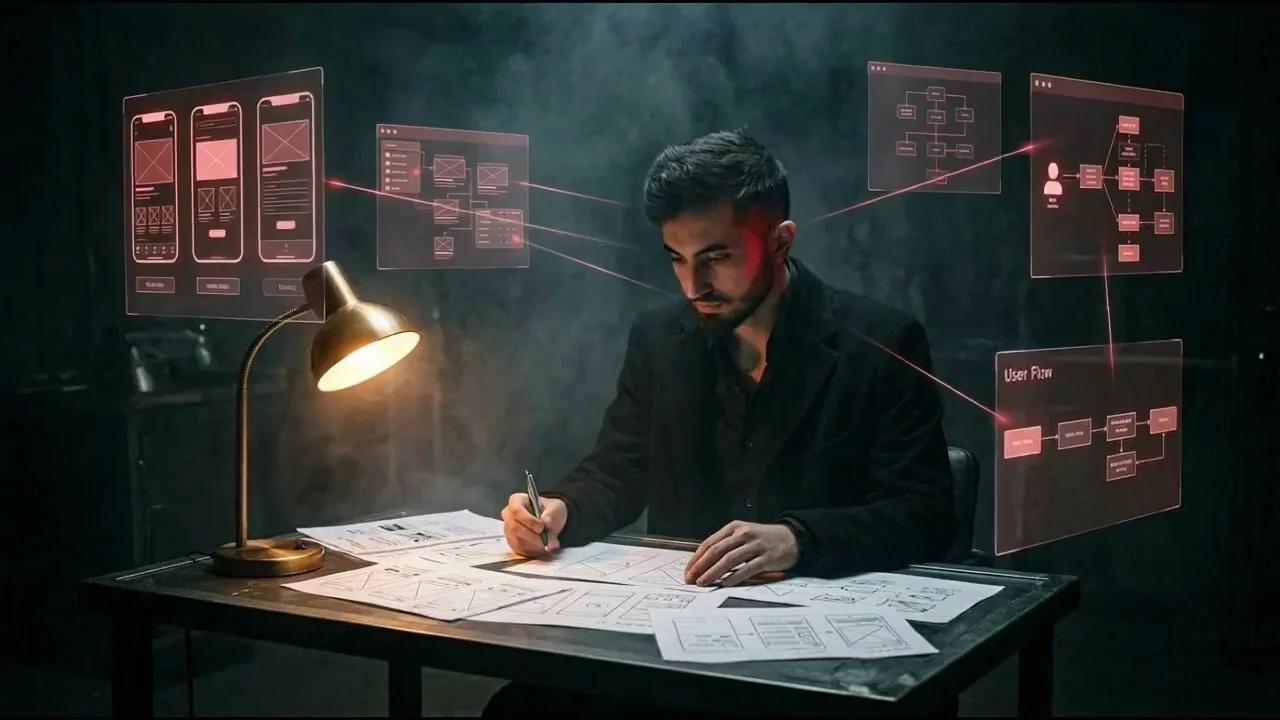
Diaa Asha
Design with adiagnostic edge.
I turn messy product ideas into clear user flows, tested interfaces, and front-end prototypes built with AI-assisted code.
--:--Amman
Figma
UI design & prototyping
Framer
Interactive design & publishing
Webflow
No-code web development
Claude
AI assistant & coding partner
Cursor
AI-powered code editor
Replit
Cloud IDE & deployment
Notion
Documentation & planning
Hotjar
Heatmaps & user behavior
Adobe CC
Creative suite for visual design
Figma
UI design & prototyping
Framer
Interactive design & publishing
Webflow
No-code web development
Claude
AI assistant & coding partner
Cursor
AI-powered code editor
Replit
Cloud IDE & deployment
Notion
Documentation & planning
Hotjar
Heatmaps & user behavior
Adobe CC
Creative suite for visual design
Selected Work
Recent work
Selected projects where I owned the product thinking, UX decisions, interface design, and often the working prototype. Each case study shows the problem, the tradeoffs, and what changed from research to final interface.
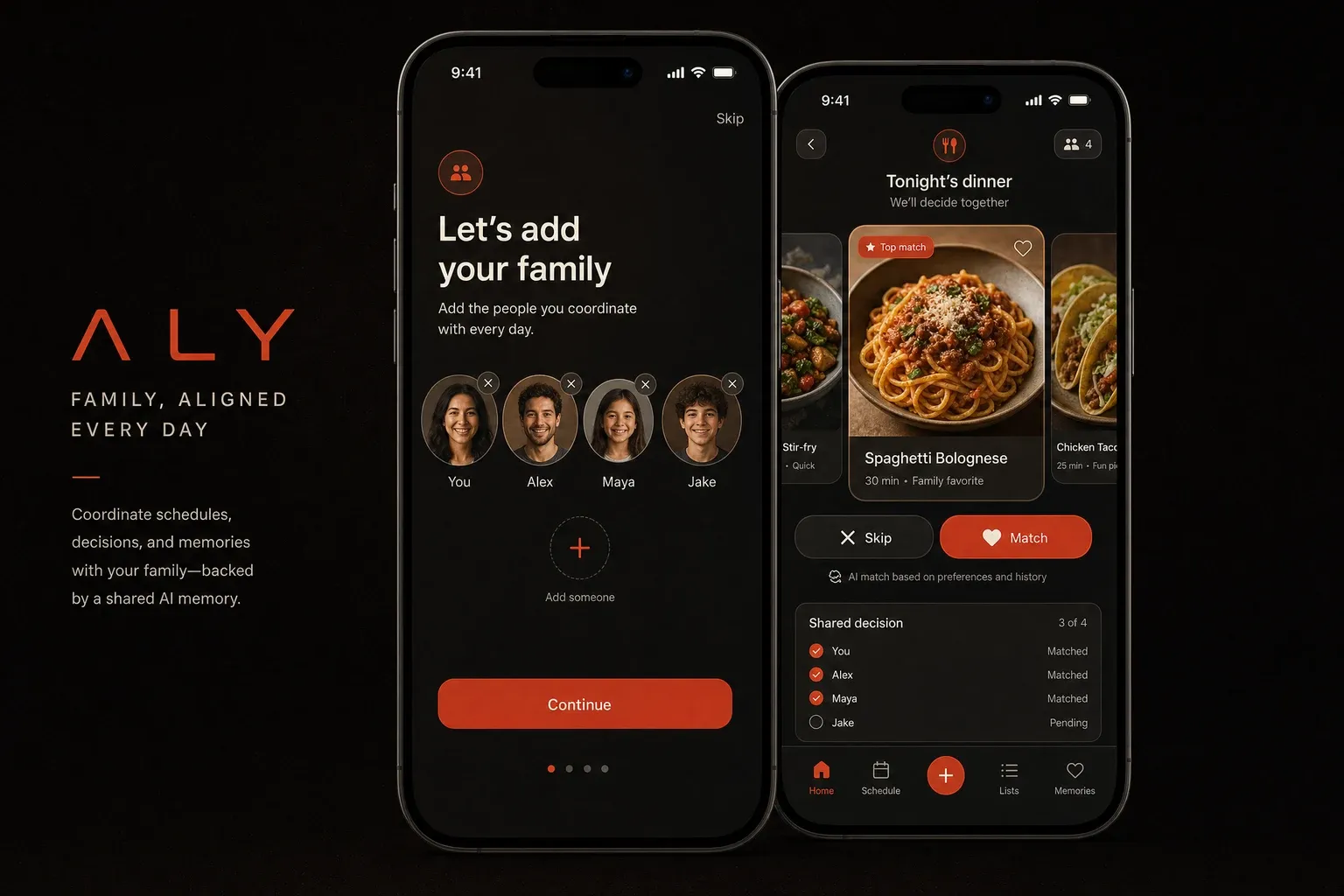
AI Product Design
ALY
Designed the core experience for a family coordination app: onboarding, food matching, health tracking, and shared decision loops without another dashboard to manage.
- Role
- Lead Product Designer & Strategist
- Timeline
- 4 weeks
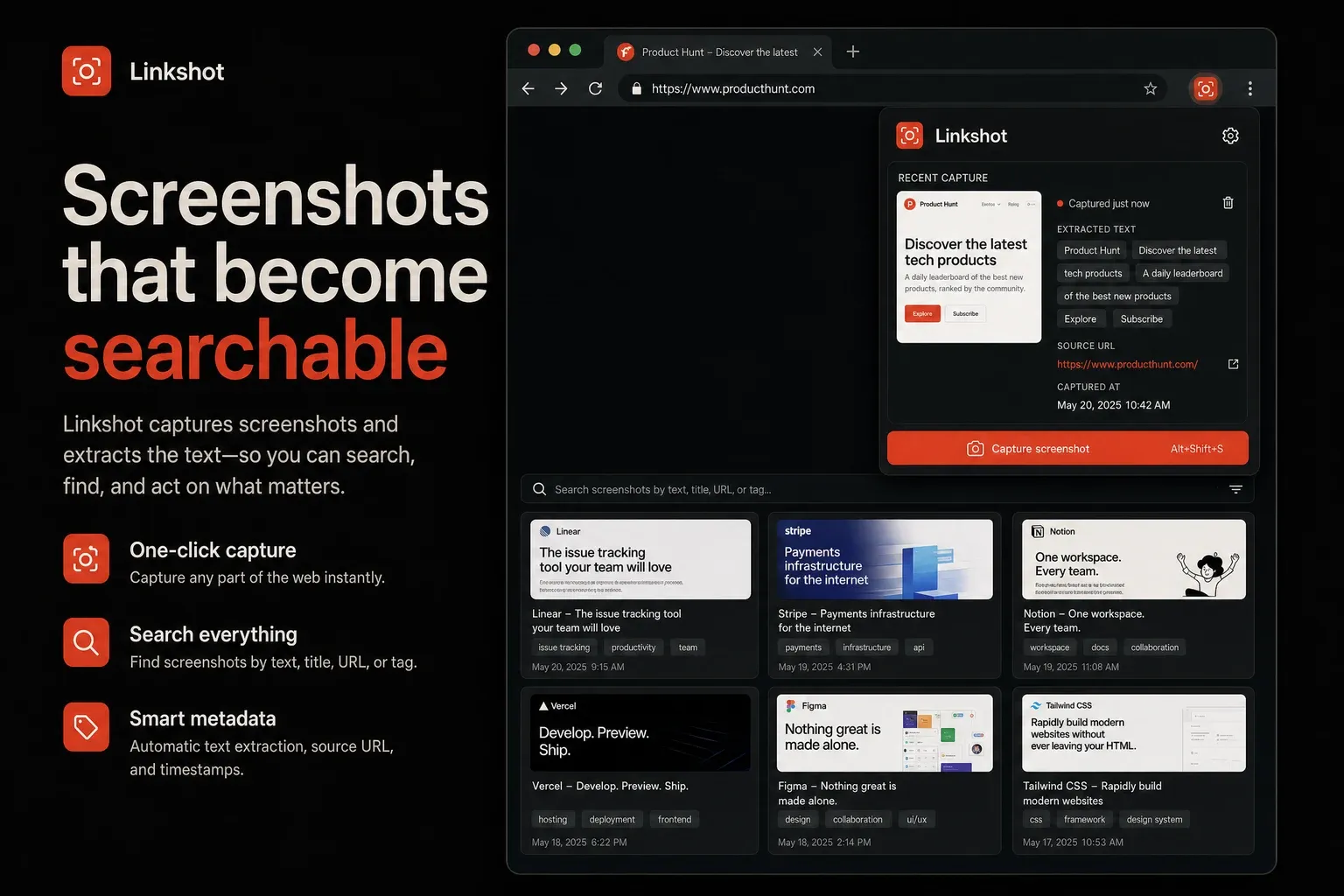
Developer Tools
Linkshot
Designed a speed-first Chrome extension that turns screenshots into searchable records with OCR, URL context, and metadata while keeping capture to one click.
- Role
- Product Designer & Developer
- Timeline
- 3 weeks
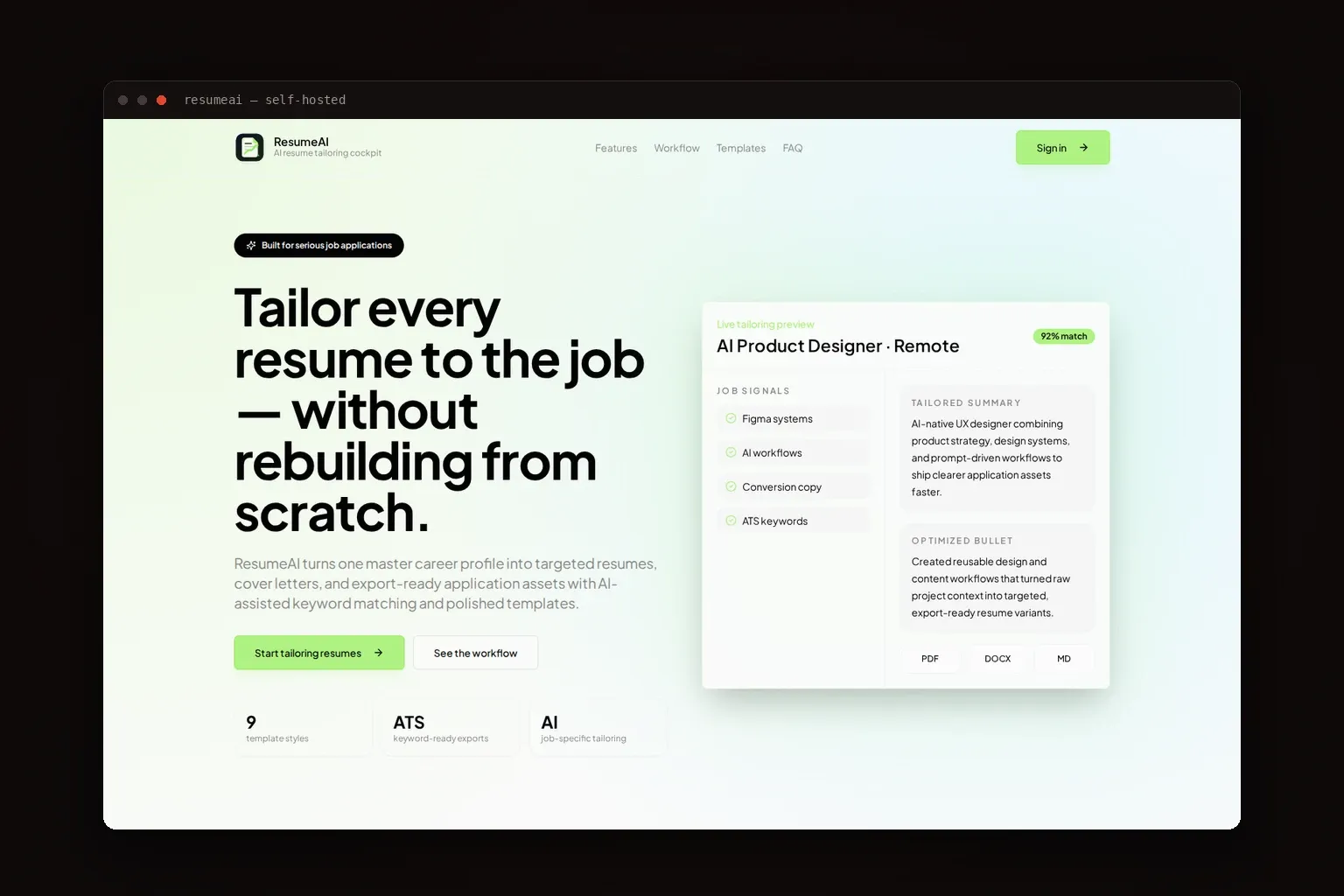
AI Product Design
Resume Tailor
Built a self-hosted resume workflow that keeps career history private, routes across AI providers, and exports in recruiter-friendly formats with human judgment still in control.
- Role
- Product Designer & Full-Stack Developer
- Timeline
- Ongoing
UX Design
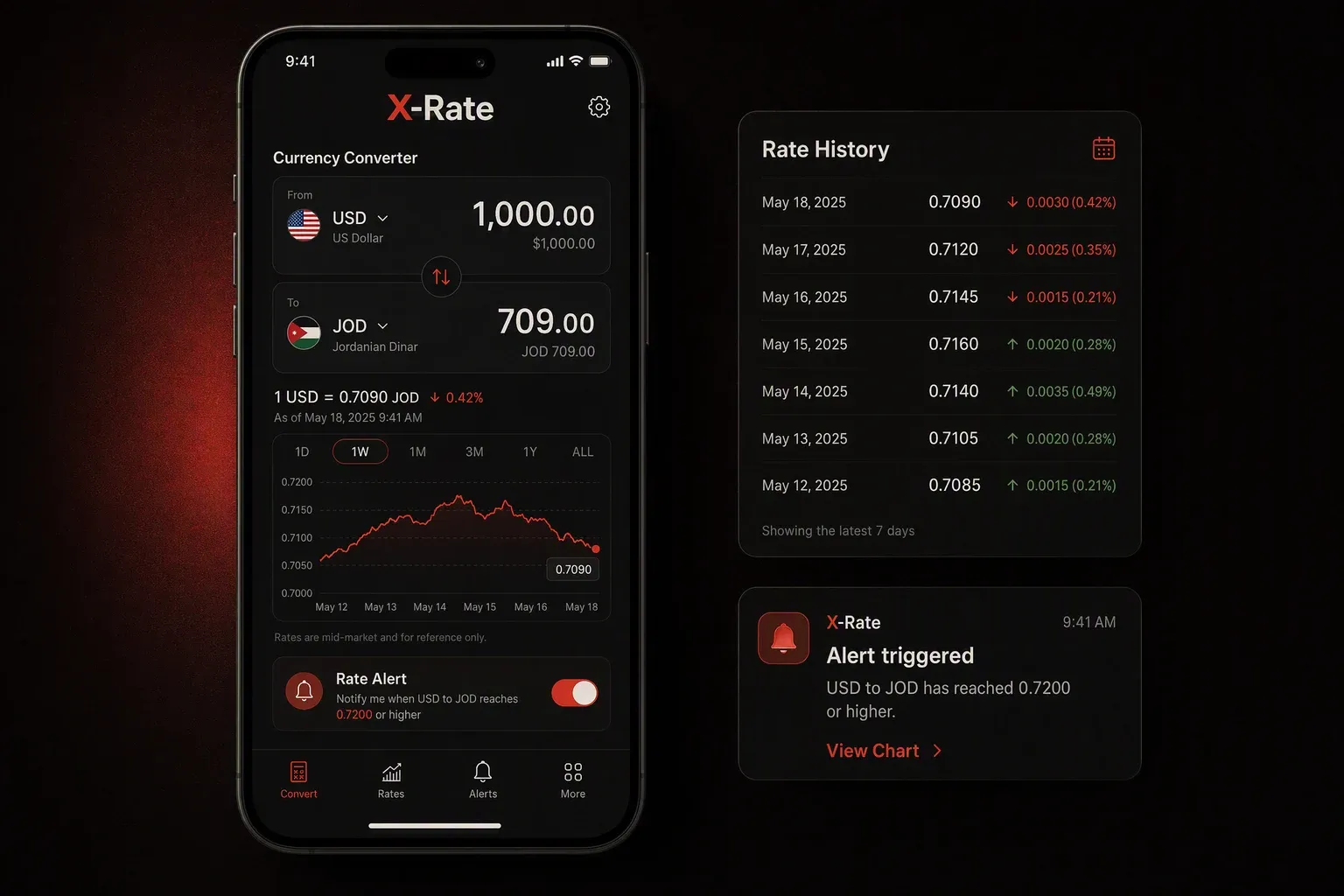
X-Rate
Ran a six-week UX project for travelers, shoppers, and investors who need more than a spot rate. Research shaped the converter flow, prototype, and style guide.
- Role
- UX Designer
- Timeline
- 6 weeks
About
The short version.
I spent six years in medicine before moving into product design. The setting changed, but the habit stayed: observe carefully, separate symptoms from causes, and test before assuming.
Today I design products end-to-end: user research, system mapping, UI design, and AI-assisted front-end prototypes.
Read full story →Expertise
Where I'm useful
I'm strongest where product ambiguity, user behavior, and interface execution overlap.
UX Research
Interviews, usability tests, journey maps, and synthesis focused on decisions, not research theater.
Product Design
Problem framing through release: flows, UI, states, and the handoffs that make or break a product.
Design Systems
Tokens, components, and usage rules that keep an interface consistent after the first polished screen.
AI Product Flows
Interfaces where the model has a clear job, clear limits, and a user who stays in control.
Prototyping in Code
I design the system first, then use AI-assisted code to test the interaction in the browser.
Design Strategy
Turning product ambiguity into priorities, tradeoffs, and the next interface worth testing.
Process
How I work
Every project runs through these four phases.
-
01 Understand
Define the problem
I start before the screens: user interviews, workflow mapping, constraints, and the edge cases people politely skip in kickoff calls.
-
02 Structure
Map the system
Flows, states, content models, and decision points. This is where UX quality is won or quietly buried.
-
03 Prototype
Prototype in code
Figma for thinking, browser for truth. I use AI-assisted code to test the interaction where it will live.
-
04 Validate
Test and iterate
Usability sessions, analytics, and support notes. Revise until behavior matches intent, then write down what changed.
Writing
Latest thoughts
Get in Touch
Let's work together
Full-time, contract, or one ugly product problem that needs untangling. I'm open to the conversation.