The Problem
Couples waste real time deciding what to eat and what to do. Every existing app solves a sliver. Nothing holds the shared memory for a relationship.
Research & Discovery
ADHD-informed design research, competitive analysis of food and couple apps (SomeYum, Food Match, Grocery Tracker Pro), couple behavior pattern analysis. None combined all needs into one coherent product.
Design Process
Information architecture with 5-tab structure (Home, Food, Mira chat, Log, Profile). Designed gamification system inspired by Duolingo — streaks, daily tasks, couple score. Built food engine with swipe-match-log-rate-learn loop. Designed health correlation system and AI chat interface.
ADHD-Friendly Interaction Model
Every core action completes in 1-2 taps. Streak motivation borrowed from Duolingo keeps engagement without overwhelming.
Medical-Informed Health Tracking
My MD training shaped the health tracking. Food logs connect to mood and energy in a structure a clinician would recognize, not just an app product manager's guess.
AI-Native Architecture
Mira's chat parses natural language into structured family data. It remembers, suggests, and gets better the more the couple uses it.
The Solution
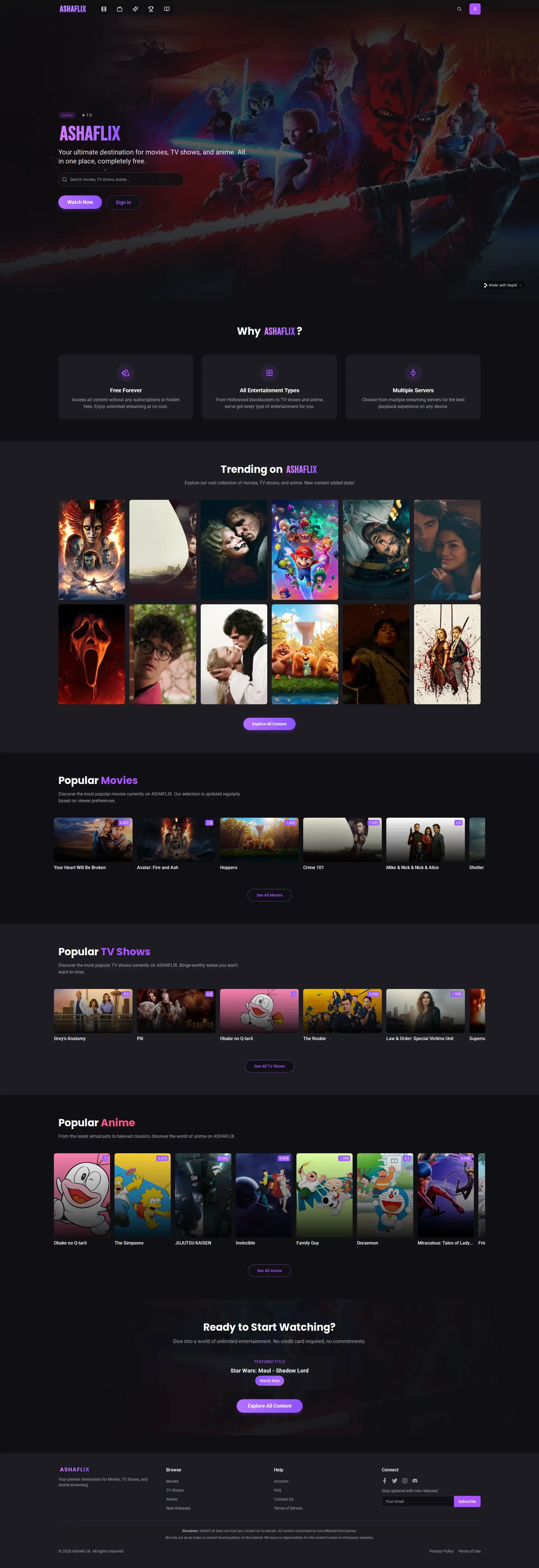
Key screens include onboarding flow, food swipe matching, daily dashboard, health check-in, couple score radar, receipt scanning, and marketing landing page. ADHD-friendly interactions — 1-2 taps max with streak motivation.
Results & Impact
Submitted to Replit Buildathon. Product demonstrates full-stack product thinking from research to shipped prototype. Validates AI-native product design with medical background informing health features.
What I Learned
Building Mira taught me that stacking a medical background on top of AI and UX isn't a pitch — it's an actual edge, because the resulting product is specifically shaped, not generic. The ADHD-friendly interaction model transfers to plenty of other product contexts.